Port St Lucie Neighborhoods Comparison for Your Lifestyle
July 2, 2026
July 2, 2026
Are you drawn to a neighborhood with parks, planned amenities, and a more uniform look, or do you prefer an area with more variety, older homes, and room to make a place your own? In Port St. Lucie, that choice matters because the city grew in very different ways over time. If you are trying to figure out which neighborhood style fits your budget, maintenance comfort level, and daily routine, this guide will help you compare the options clearly. Let’s dive in.
Port St. Lucie did not grow all at once or in one pattern. According to the city, it expanded from fewer than 300 residents in 1961 to more than 260,000 in 2025.
That growth created two broad neighborhood styles. The original city was built as roughly 66 square miles of primarily single-family lots with limited early infrastructure like roads and drainage, while newer areas west of I-95, including places like Tradition and Riverland, developed outside that original platted city.
What this means for you is simple: Port St. Lucie can feel like two markets in one. Some areas reflect older lot-by-lot growth, while others were built with a more coordinated plan from the start.
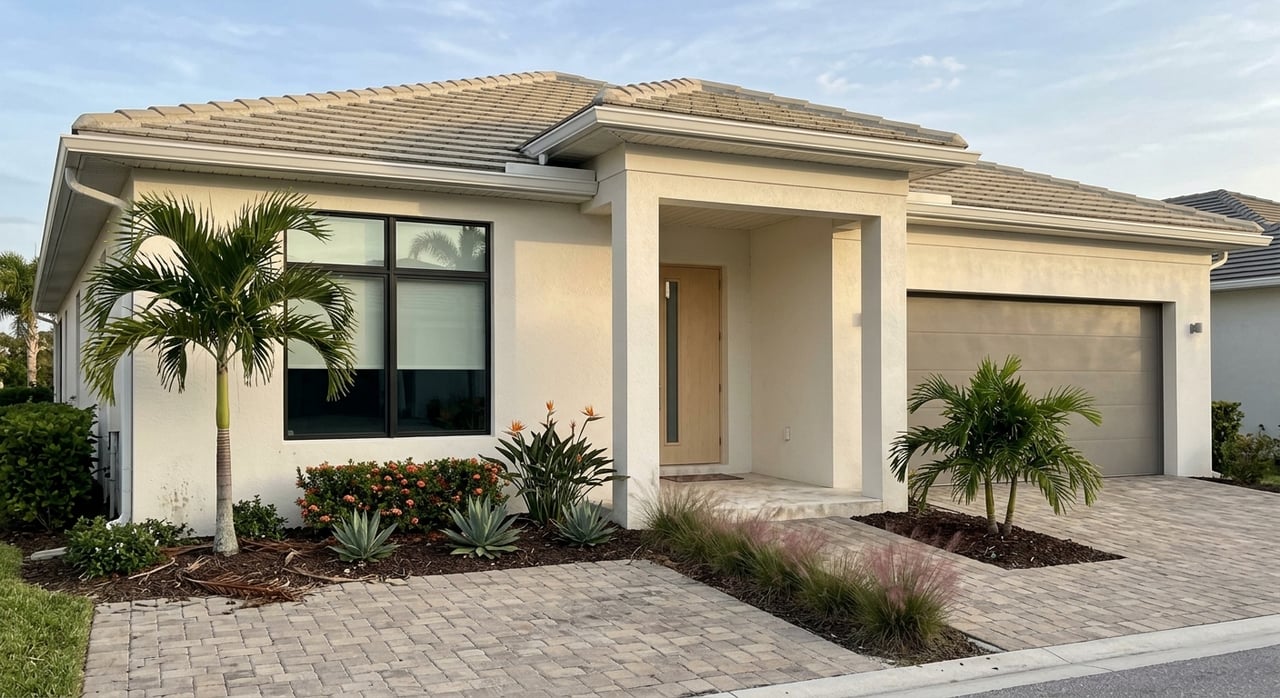
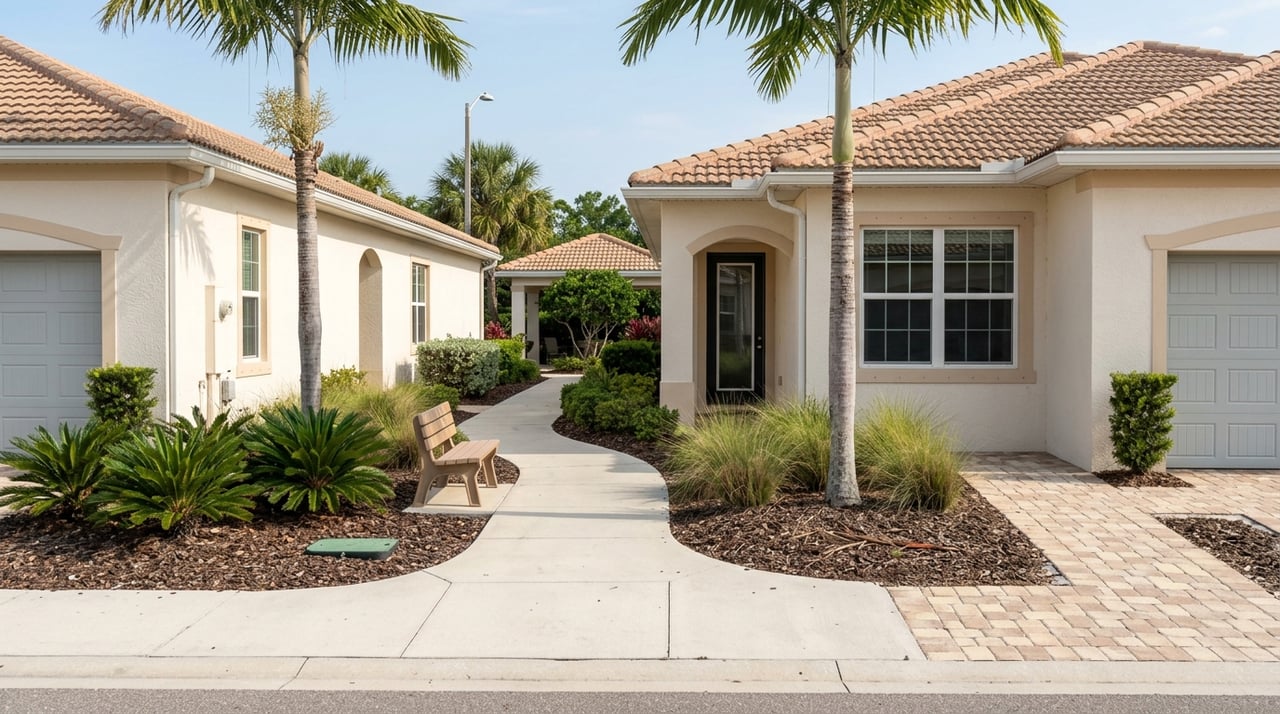
Many newer Port St. Lucie neighborhoods follow the city’s Planned Unit Development, or PUD, framework. The city says this approach can set standards for lot sizes, house sizes, and setbacks while aiming for a high-quality environment with open space and recreation.
In practical terms, that often creates a more curated neighborhood feel. You may see a more consistent streetscape, planned amenities, and design rules that shape how the community looks over time.
If you want convenience and built-in amenities, this style may appeal to you. Newer communities often make it easier to enjoy parks, trails, recreation areas, and organized outdoor spaces close to home.
Tradition is one of the clearest local examples. The city says Tradition Regional Park is a 110-acre park planned with baseball, softball, soccer, multi-purpose fields, trails, observation areas, an adventure playground, disc golf, and a canoe or kayak launch.
Riverland shows a similar model. The city says Riverland Paseo Park includes a dog park, lighted softball and soccer fields, restrooms, bleachers, shade structures, and a concession stand, with a direct connection to the Paseo Greenway for residents.
The tradeoff for amenities and a more managed exterior appearance is usually ongoing association obligations. In many communities, some exterior tasks may be handled by the association, but buyers should confirm exactly what is covered.
That matters because the monthly cost is only part of the picture. You also want to know what rules apply, what maintenance stays your responsibility, and how those details affect your long-term budget.
A master-planned community may be a strong fit if you want:
If you like predictability and convenience, this style can feel easier to manage. That is especially true if you are relocating, downsizing, or looking for a low-stress routine.
Established neighborhoods often trace back to the original platted city. Because those areas developed differently, they tend to offer a broader mix of home ages, home styles, lot conditions, and upkeep levels.
For some buyers, that variety is a big advantage. You may find homes with more individual character, more renovation potential, or a setting that feels less uniform than a newer planned community.
Older neighborhoods can give you more visual variety from one street to the next. That may include differences in landscaping, home design, lot use, and overall curb appeal.
You may also see meaningful differences in infrastructure from area to area. The city’s Sidewalk Master Plan notes that the original developer only provided sidewalks in limited parts of the city, such as the Sandpiper and Club Med area, and that sidewalk ownership and maintenance now vary across city, private, county, and state responsibility.
What this means for you is that walkability and maintenance expectations can differ block by block. It is worth looking closely at the specific area instead of assuming every established neighborhood functions the same way.
Some older corridors are seeing public improvements that can influence how an area functions over time. The city says the Floresta Drive Improvement Project is adding landscaping, lighting, sidewalks, and bicycle lanes, with the final phase from Crosstown Parkway to Prima Vista Boulevard expected to finish in Fall 2028.
That does not make every nearby neighborhood the same, but it does show that established areas can continue to evolve. If you like mature parts of the city, it helps to ask what projects are planned or underway nearby.
The Port District adds another layer to Port St. Lucie’s neighborhood mix. The city describes it as a riverfront area that brings together conservation land, open space, playgrounds, parks, the boardwalk, historic homes, botanical gardens, dining, and a preserve within a connected waterfront plan.
If you are drawn to established east-side character, this kind of setting may stand out. It blends older local features with ongoing redevelopment and public-space improvements.
The best neighborhood style is the one that fits how you actually want to live. Start with your daily habits, your comfort with upkeep, and how much structure you want around the property.
A newer planned community may suit you if you want recreation nearby and a more guided neighborhood framework. An established neighborhood may fit better if you value variety, flexibility, or the chance to personalize a home over time.
Before you decide, think through these practical questions:
These answers can narrow your search quickly. They also make it easier to compare one Port St. Lucie area to another in a realistic way.
If you are considering a community with an HOA, it is important to understand the rules before you commit. Under Florida Chapter 720, a prospective purchaser must receive a disclosure summary before signing, and if it was not provided, the buyer can void the contract by written notice within 3 days after receiving it or before closing, whichever comes first.
That disclosure is only the beginning. Florida law also requires associations to keep official records such as the declaration, bylaws, current rules, meeting minutes, insurance policies, contracts, and financial records.
In an HOA community, the listing description is never the full story. The recorded covenants and current association rules are what matter most.
Make sure you ask:
If an estoppel certificate is needed for closing, Florida law says the association must issue it within 10 business days after request. That can affect your closing timeline, so it is smart to plan ahead.
Port St. Lucie’s climate should factor into your neighborhood choice. UF/IFAS notes that warm weather and seasonal rains can increase wear, leaks, algae, and mildew, so buyers should pay close attention to roofs, gutters, exterior walls, windows, doors, grading, caulking, landscaping clearance, and HVAC moisture control.
This is especially important when comparing newer homes to older ones. A newer property may still reduce immediate repair risk in some areas, while an older home may require a closer look at age-related maintenance.
If you want a low-maintenance yard, ask specific questions about landscaping design and plant choices. UF/IFAS notes that airborne salt can affect trees and palms near saltwater coastlines, which is useful context when you are evaluating exterior maintenance demands.
Even when a community handles some outside work, never assume what is included. Confirm the exact scope of HOA maintenance so you know where your responsibility begins and ends.
Here is the clearest way to think about Port St. Lucie neighborhood styles. Master-planned communities generally trade HOA rules and recurring dues for amenities, design controls, and potentially less day-to-day exterior work.
Established neighborhoods generally trade that structure for more variation, older character, and a higher chance that upkeep or renovation decisions will fall directly on you. Neither choice is better for everyone. The right fit depends on the lifestyle you want and the level of involvement you are comfortable with.
If you want help narrowing down Port St. Lucie neighborhoods based on your budget, maintenance goals, and preferred lifestyle, Linda Fritts can guide you through the options with clear steps and local insight.
With over nine years of experience serving Martin and Saint Lucie counties, Linda Fritts combines deep local knowledge with a highly personalized approach. She is committed to guiding every client through the complexities of buying and selling homes with integrity, professionalism, and care.
Linda Fritts
3727 SE Ocean Blvd Ste 200B Stuart FL 34996