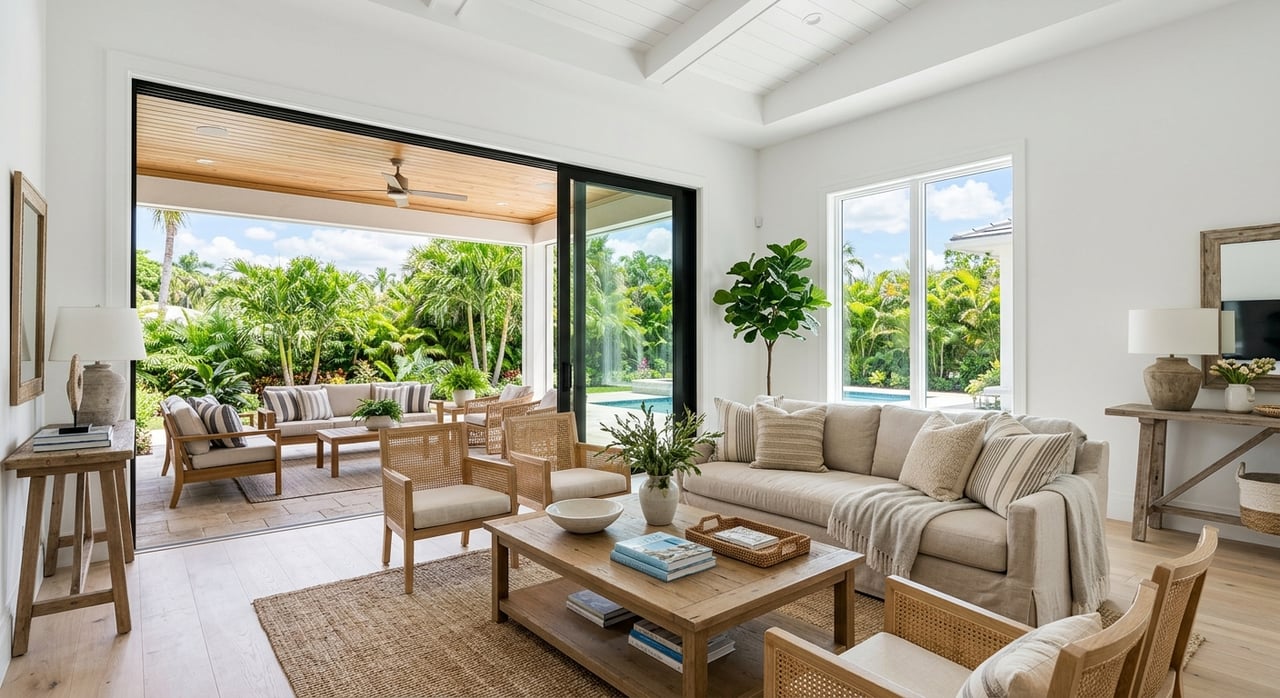
Selling a Port St. Lucie Home: A Step-by-Step Timeline
July 9, 2026
July 9, 2026
Wondering how long it really takes to sell a home in Port St. Lucie? If you are trying to plan your move, line up your next purchase, or manage a sale from out of town, the timeline can feel like the biggest unknown. The good news is that you can reduce stress when you know the major steps, the usual timing, and where delays tend to happen. Let’s walk through the process step by step.
In Port St. Lucie, most sellers should plan for a process that takes about 2 to 4 months from pre-listing prep through closing. That estimate reflects current market data showing homes may go pending in around 48 days, while other sources place average or median time on market closer to 65, 75, or even 85 days.
What this means for you is simple: selling may take weeks, not just days. A cash sale can move faster, while a financed sale usually takes longer because of the appraisal, loan approval, and closing requirements.
Before your home goes live, you will spend time getting it ready for the market. A typical prep period can take two weeks to one month, though larger repairs can stretch that timeline.
This stage is where you set the foundation for the rest of the sale. Your home’s condition, your pricing strategy, and your repair decisions can all affect how quickly buyers respond once showings begin.
Most sellers use this phase to focus on presentation and basic maintenance. Common prep items include:
If your home needs major work, it helps to decide early whether you want to fix it before listing or price with that condition in mind. In a market where homes may sell around 2 percent below list price on average, accurate pricing and realistic prep choices matter.
Florida sellers should be ready to make required disclosures before the contract stage moves forward. Florida law requires disclosure of known facts that materially affect the value of residential real property when those facts are not readily observable.
Florida also requires sellers to disclose known sanitary sewer lateral defects before contract execution. In addition, a flood disclosure must be provided at or before the time the sales contract is executed, and that form states that homeowners insurance does not cover flood damage.
If you are selling one Florida homestead and moving into another, your property tax planning matters too. In St. Lucie County, homestead exemption does not transfer automatically, but portability may allow you to move some or all of your Save Our Homes benefit if your prior homestead was claimed in one of the previous three tax years.
The county says portability should be filed with the new homestead application, typically by March 1. The maximum transfer amount is $500,000.
Once your home is ready, the listing setup itself may take about one hour to two weeks. That range depends on how much photography, preparation, pricing review, and final coordination is needed before launch.
This is the moment when your planning starts to turn into market activity. A strong launch helps you capture early buyer attention, which is often when interest is highest.
Port St. Lucie is described as a somewhat competitive market, and Redfin reports that the average home sells for about 2 percent below list price. That does not mean you should underprice your home. It means your list price should reflect current market conditions and your home’s condition from day one.
If a home starts too high, it can lose momentum while newer listings catch buyer attention. If it is priced appropriately from the start, you may create stronger early interest and avoid unnecessary time on the market.
Once your home is active, showings can start right away. In many cases, buyer activity clusters in the first day or first week.
Showings often require 12 to 24 hours' notice, and individual showings are usually short, around 15 to 30 minutes. That means your home may need to stay show-ready for several days or weeks, depending on buyer demand.
Showings are one of the most disruptive parts of selling, especially if you still live in the home. A little planning can make this phase much more manageable.
Helpful ways to prepare include:
If you are selling from out of state, this stage can feel different. In that case, having clear local support for access, vendor coordination, and updates can make the process much smoother.
Some sellers receive an offer within two days, while others wait a month or more. The timing depends on pricing, condition, buyer demand, and how your home compares with competing listings.
Once an offer comes in, the usual response window is 24 to 48 hours. This is one reason good preparation matters. If you already understand your priorities on price, timing, repairs, and move-out needs, you can respond with more confidence.
Price is important, but it is not the only factor. Sellers often weigh:
A slightly lower offer with cleaner terms can sometimes create a smoother path to closing than a higher offer with more uncertainty.
After you accept an offer, the transaction moves into the under-contract phase. This is where the buyer completes inspections, financing steps, and final due diligence.
For many sellers, this part takes about 30 to 45 days from accepted offer to closing. Cash transactions can close much faster, sometimes in 10 to 14 days.
A common inspection period is about seven days. During this time, the buyer may inspect the property and raise concerns about repairs or condition.
This can lead to negotiation, credits, repairs, or no changes at all. The smoother your pre-listing prep has been, the fewer surprises you are likely to face here.
If the buyer is using financing, the appraisal may take two or more weeks. This step matters because the lender wants to confirm the property value supports the loan amount.
Financed deals usually take longer than cash sales because there are more moving parts. Loan approvals, underwriting conditions, and appraisal timing can all affect the closing calendar.
The final closing stage often takes 10 to 45 days, depending on the contract terms and loan details. Closing usually involves the buyer, the real estate agent, the title insurance company, the escrow company, and sometimes an attorney.
If the buyer has a mortgage, the Closing Disclosure must be delivered three business days before closing. If certain loan terms change, such as the APR, the loan product, or a prepayment penalty, a new three-business-day waiting period may be required.
If you are selling from another city or state, you may not need to attend closing in person. Closing can be completed by mail or electronically, though it may take longer if signatures are collected separately.
That is especially helpful for inherited properties, second homes, or sellers who have already moved. It also means you should build in a little extra time if paperwork needs to travel between multiple parties.
Closing day and move-out day are not always the same. Some sellers negotiate extra time in the home after closing.
A 30-day move-out is common in some cases, and some sellers arrange 45- to 60-day occupancy or another post-closing agreement. If your next home, travel schedule, or moving plan is tight, this is an important point to discuss early.
Your sale timeline is only part of the picture. You also want to understand a few local cost items that can affect your net proceeds.
Florida charges documentary stamp tax on deeds at 70 cents per $100 of consideration. Sellers should also review their future tax picture if they plan to buy again in the area, and St. Lucie County provides a tax estimator that can help with planning.
Here is the process in a quick, practical format:
| Stage | Typical Timing |
|---|---|
| Pre-listing prep | 2 weeks to 1 month |
| Listing setup | 1 hour to 2 weeks |
| Showings and offer window | 2 days to 1 month or more |
| Inspection period | About 7 days |
| Appraisal for financed buyer | 2 or more weeks |
| Accepted offer to closing | About 30 to 45 days |
| Cash closing | About 10 to 14 days |
| Full sale process | Roughly 2 to 4 months |
While no sale is perfectly predictable, a few steps can help you avoid common delays. The biggest ones are starting prep early, pricing carefully, completing disclosures on time, and planning ahead for inspections, closing, and move-out.
If you are coordinating a sale with a purchase, downsizing, or managing everything remotely, clear step-by-step guidance can make the process feel much more manageable. The goal is not just to sell your home, but to do it with a plan that supports your next move.
If you are thinking about selling in Port St. Lucie and want calm, practical guidance from start to finish, Linda Fritts can help you map out the right timeline for your home and your goals.
With over nine years of experience serving Martin and Saint Lucie counties, Linda Fritts combines deep local knowledge with a highly personalized approach. She is committed to guiding every client through the complexities of buying and selling homes with integrity, professionalism, and care.

Linda Fritts
3727 SE Ocean Blvd Ste 200B Stuart FL 34996