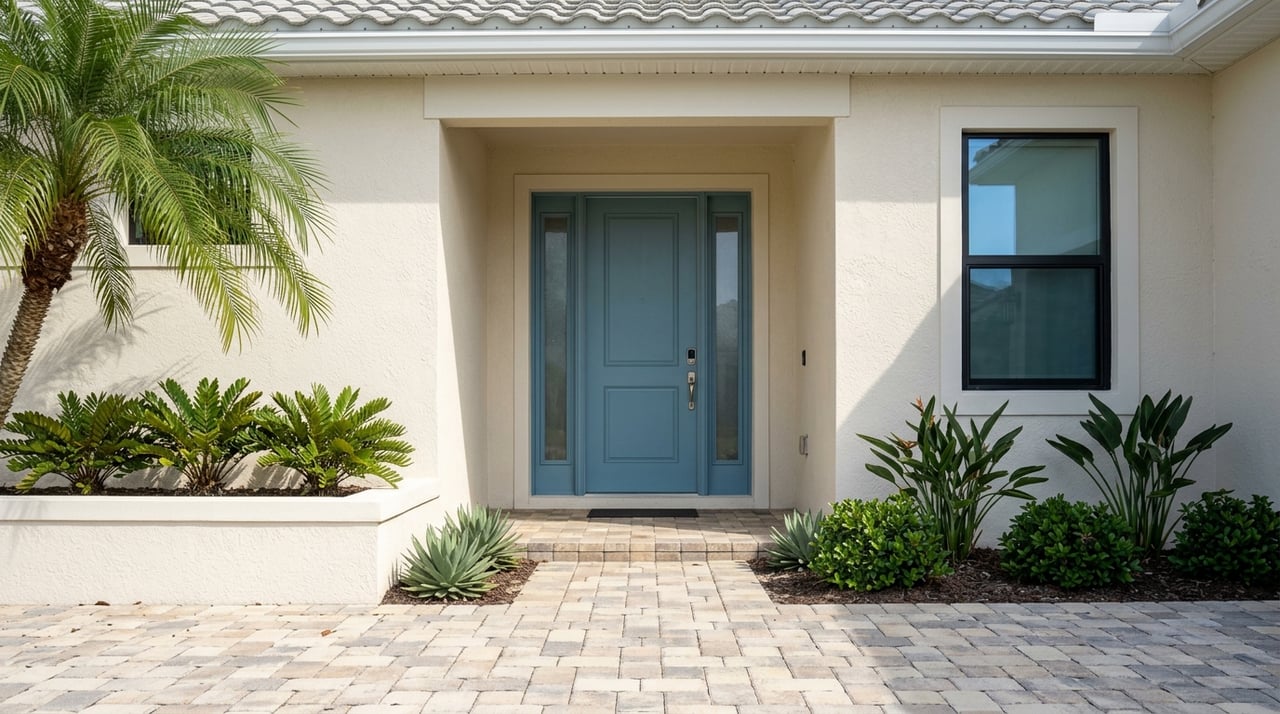
How To Sell A Port St. Lucie Home When You Live Out Of State
June 25, 2026
June 25, 2026
Selling a Port St. Lucie home while living in another state can feel like a lot to manage. You are trying to handle pricing, prep, paperwork, and closing details without being there in person. The good news is that many Florida sales can be completed remotely with the right plan, the right local support, and clear communication from start to finish. Let’s dive in.
In many cases, you do not need to travel to Florida to sell your home. Florida allows online notarization through a Florida online notary, even when the signer or witnesses are outside the state. St. Lucie County also accepts e-recording for common closing documents like deeds.
What this means for you is simple. A standard sale can often move forward without a flight to Port St. Lucie, as long as the documents are handled correctly and the closing team sets up the right signing method.
The biggest challenge is usually not the law. It is coordination. When you are not local, every step depends more on digital communication, document control, and having someone nearby who can help keep things moving.
A remote sale often needs a local point person to manage access, vendors, and on-the-ground tasks. That can include opening the home for photography, arranging cleaning, meeting repair professionals, and helping with final property checks.
Online presentation matters even more when you are selling from afar. National Association of Realtors seller guidance says high-resolution photos and video tours are essential, and staging research shows buyers respond strongly to photos, staging, videos, and virtual tours.
Before the home goes live, it is smart to confirm who can legally sign. If you plan to use a power of attorney, Florida requires the document to be signed by the principal, witnessed by two subscribing witnesses, and acknowledged before a notary. An original may also be required if it affects title or needs to be recorded.
This is one of the most important early steps for an out-of-state seller. If signing authority is unclear, it can slow down the sale later, even if everything else is ready.
If the property is in an HOA or condominium, order the estoppel early. Florida law gives HOA associations 10 business days to provide an estoppel certificate after a written or electronic request, and the certificate is time-sensitive. For remote sellers, this is a common source of avoidable delay.
When you cannot stop by the property easily, prep needs to be more intentional. A simple plan helps you avoid last-minute surprises and makes the home easier to market well.
A practical pre-listing checklist often includes:
These are especially important because buyers often first experience your home online. If the home looks clean, bright, and well cared for in photos and video, you start from a stronger position.
When you live out of state, your sale should not rely on chance or casual showings. It should be built around strong digital marketing and a clear showing plan.
That starts with professional photos, video, and virtual tour tools that help buyers understand the home before they step inside. Since online presentation carries so much weight, good visuals are not an extra. They are part of the core selling strategy.
A well-organized showing plan also helps reduce disruption. With clear scheduling and local coordination, your home can stay accessible to buyers without requiring you to manage every detail from a distance.
One of the easiest ways to reduce stress during a remote sale is to set a regular update schedule. This is not a legal rule, but it is a very practical one.
A steady communication rhythm might include one scheduled weekly call or email plus immediate updates when something important happens. That usually means updates for:
When you are in another state or time zone, this kind of structure matters. It helps you stay informed without feeling like you have to chase updates.
The closing can feel more manageable when you know what Florida actually requires. For a deed that transfers real property, Florida requires the signature to be made in the presence of two subscribing witnesses.
To be recorded, the deed must also be acknowledged or otherwise proved. Florida recording rules also require the names and addresses of the signer, witnesses, preparer, notary, and grantees to appear in the document.
The deed should include the legal description of the property. A parcel ID is often included if available, but it does not replace the legal description.
Florida online notarization is one of the main reasons many out-of-state sellers can close without traveling. The law allows a principal to appear by audio-video communication, and the Florida online notary may be in Florida even if the signer or witnesses are elsewhere.
Florida law also says that a properly completed online notarization can satisfy notary and witnessing requirements when those acts are otherwise required. In practical terms, that creates a workable path for many remote closings.
If you would rather use paper documents, Florida also recognizes acknowledgments taken outside the state within the United States before an authorized notary or other listed officer. So you may have more than one valid signing path, depending on your situation.
Seller closing costs can be easier to manage when you know the local rules ahead of time. In St. Lucie County, deeds that transfer Florida real property are subject to documentary stamp tax.
The Florida Department of Revenue states that in counties outside Miami-Dade, the rate is 70 cents per $100 of consideration. The tax is paid to the county clerk or recording official when the document is recorded, and all parties to the deed are liable for the tax.
This is an important part of your seller-side closing math. If you are estimating net proceeds from another state, this is one of the numbers you want factored in early.
St. Lucie County offers e-recording for official records, and deeds are among the documents commonly handled this way. Documents are submitted through a third-party vendor, which helps support remote closings.
If paper recording is needed, documents can be mailed to the recording department. The Clerk says mailed documents should include a self-addressed stamped envelope for return, and paper submissions are normally indexed, verified, scanned, and mailed back in about seven to ten days.
The Clerk also warns that recording a new deed may affect property tax exemptions. If the home has a homestead exemption, it is wise to coordinate timing with the property appraiser as part of your closing plan.
The Clerk also advises against recording documents that include Social Security numbers, bank account numbers, or debit or credit card numbers unless required by law. That is a good reminder to handle documents carefully throughout the process.
Most remote sales do not get delayed because of the deed itself. More often, the bottlenecks involve title work, mortgage payoff details, and association paperwork.
That is why it helps to treat those items as early tasks rather than end-of-transaction details. The sooner they are ordered, reviewed, and tracked, the smoother the rest of the transaction usually feels.
This is also where a local, detail-oriented agent can make a real difference. Having someone nearby to coordinate vendors, manage access, track timelines, and keep documents moving can turn a stressful long-distance sale into a much more organized process.
If you are selling from out of state, local support is often the piece that keeps everything practical. A local point person can help bridge the gap between digital paperwork and what still has to happen at the property.
That may include:
For you, that means fewer loose ends and fewer reasons to travel back and forth. It also means you have someone local who understands the Port St. Lucie market and can help you move step by step.
Selling from another state does not have to feel chaotic. With a clear plan, the right prep, and steady communication, you can stay in control of the process without being physically present. If you want calm, local guidance with the details that matter most, Linda Fritts can help you sell your Port St. Lucie home with less stress and more clarity.

With over nine years of experience serving Martin and Saint Lucie counties, Linda Fritts combines deep local knowledge with a highly personalized approach. She is committed to guiding every client through the complexities of buying and selling homes with integrity, professionalism, and care.

Linda Fritts
3727 SE Ocean Blvd Ste 200B Stuart FL 34996